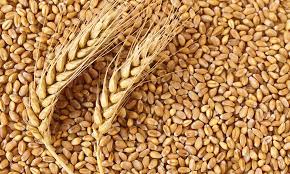
Organic Wheat
Most wheat used for food requires processing. The grain is cleaned and then conditioned by the addition of water so that the kernel breaks up properly. In milling, the grain is cracked and then passed through a series of rollers. As the smaller particles are sifted out, the coarser particles pass to other rollers for further reduction. About 72 percent of the milled grain is recovered as white flour. Flour made from the whole kernel is called graham flour and becomes rancid with prolonged storage because of the germ-oil content retained. White flour, which does not contain the germ, preserves longer. Inferior and surplus wheats and various milling by-products are used for livestock feeds.
Send Enquiry

